10 Things That Your Family Teach You About Wheelchair Ramps For Homes
페이지 정보
작성자 Elvis Givens 작성일 25-11-23 11:29 조회 7 댓글 0본문
Wheelchair Ramps for Homes: A Comprehensive Guide
Producing a barrier-free environment in a home is necessary for making sure comfort and accessibility for locals and visitors with mobility difficulties. Wheelchair ramps are an important element of this effort, making it possible for simpler access to structures and making daily life more manageable for people with specials needs. This short article dives deep into the importance of wheelchair ramps, their types, considerations for setup, and maintenance ideas.
Why Are Wheelchair Ramps Important?
Wheelchair ramps serve an important purpose in enhancing mobility. They are particularly essential for:
- Accessibility: Ramps allow individuals who utilize wheelchairs, walkers, or have trouble climbing stairs to go into and leave buildings smoothly.
- Independence: With proper ramp access, individuals can move around their environments independently, leading to improved quality of life.
- Safety: Ramps reduce the danger of mishaps connected with stair climbing up for individuals with mobility challenges.
Kinds Of Wheelchair Ramps
When considering wheelchair ramps for homes, it's important to comprehend the different types available. Here's an overview:
| Type of Ramp | Description | Pros | Cons |
|---|---|---|---|
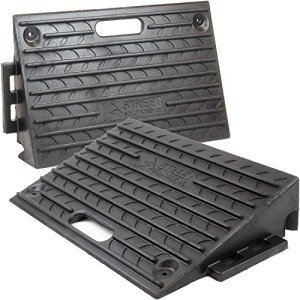
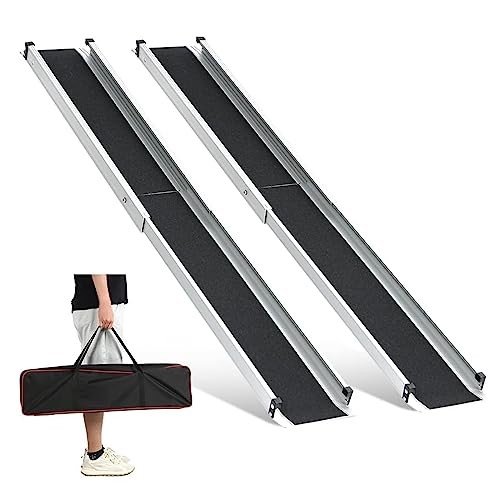
| Portable Ramps | Lightweight ramps that can be moved as required. | Easy to save and transfer. | Limited length; may not appropriate for all homes. |
| Irreversible Ramps | Developed to be a long-term fixture of a home, generally made from concrete or wood. | Durable and can accommodate any height. | More expensive and require professional installation. |
| Modular Ramps | Sectional ramps that can be assembled and personalized on-site. | Adjustable to fit specific requirements. | May need assembly and bring greater expenses. |
| Threshold Ramps | Created for little rises, such as doorways or limits. | Perfect for simple shifts. | Restricted application for greater elevations. |
| Pool Ramps | Used to provide access into pool. | Great for leisure areas. | Not ideal for all environments. |
Key Considerations for Installation
When preparing to install a wheelchair ramp in a home, several aspects should be considered:
Location and Space: Assess the location where the ramp will be set up. Guarantee sufficient area for the ramp without blocking paths.
Slope Ratio: According to the Americans with Disabilities Act (ADA), the advised slope for a wheelchair ramp is 1:12. This indicates that for every inch of height, there must be at least 12 inches of ramp run.
Products: The products utilized for constructing ramps can significantly affect their security and sturdiness. Common materials consist of:
- Wood
- Aluminum
- Concrete
- Fiberglass
Building regulations: Always examine regional building regulations and regulations, which might dictate particular requirements for ramp design and installation.
Expense: Budgeting for ramp installation can vary widely depending upon the type and materials. Expenses can range from a few hundred to a number of thousand dollars.
Upkeep of Wheelchair Ramps
To make sure longevity and security, regular upkeep of wheelchair ramps is a must. Here are some essential upkeep tips:
- Inspect Regularly: Check for any loose bolts, cracks, or damages every couple of months.
- Clean the Surface: Keep the ramp surface clear of particles, snow, and ice to prevent slipping.
- Inspect for Rust: For metal ramps, watch out for rust and treat any spots appropriately.
- Repaint if Necessary: Ensure that any painted surface areas are preserved to enhance presence and prevent wear.
Frequently Asked Questions (FAQ)
1. Do I require a license to install a wheelchair ramp?
Yes, in many locations, you will require a permit to build a permanent wheelchair ramp. It's necessary to examine regional regulations.
2. Can I develop my own wheelchair ramp?
Yes, DIY ramps are an alternative, specifically for portable and threshold ramps. Nevertheless, for irreversible ones, it's a good idea to seek advice from with a professional.
3. How steep can a wheelchair ramp be?
For property ramps, a slope of 1:12 is recommended; however, steeper slopes may be permissible for short ranges.
4. How large should a wheelchair ramp be?
The ADA suggests a minimum width of 36 inches for wheelchair ramps to enable sufficient space for maneuverability.
5. Can wheelchair ramps be installed outside?
Definitely! Numerous wheelchair ramps are created for outside use. Nevertheless, they need to be built with weather-resistant products to withstand the elements.
In summary, wheelchair ramps are important in developing an available environment in the house. By comprehending the various types, installation factors to consider, and upkeep requirements, property owners can guarantee that their ramps serve their designated function successfully. Whether it's through improving independence or making sure safety, investing in a wheelchair ramp might dramatically improve the lifestyle for those facing mobility challenges. It's not almost performance-- it's about promoting inclusivity and producing spaces that everybody can navigate with ease.
댓글목록 0
등록된 댓글이 없습니다.