5 B1 German Certificate Projects For Any Budget
페이지 정보
작성자 Bonny 작성일 25-11-27 14:34 조회 4 댓글 0본문
The B1 German Certificate: A Comprehensive Guide
The B1 German Certificate is a considerable turning point for learners of the German language. It indicates an intermediate level of proficiency that opens doors to numerous scholastic and expert chances in German-speaking countries and beyond. This article looks into the essence of the B1 German Certificate, what it requires, the benefits of obtaining it, and responds to some regularly asked concerns.
What Is the B1 German Certificate?
The B1 Zertifikat Deutsch level belongs to the Common European Framework of Reference for Languages (CEFR), which classifies language efficiency into six levels ranging from A1 (beginner) to C2 (skilled). Specifically, B1 indicates that the person can comprehend the bottom lines of clear standard input on familiar matters, offer with most situations likely to occur while taking a trip in a German-speaking location, and produce easy connected texts on topics that are familiar or of individual interest.
B1 Proficiency Goals
| Skill | Description |
|---|---|
| Listening | Can understand the main points of conversations and discussions. |
| Reading | Can understand texts which contain everyday language and common subjects. |
| Speaking | Can handle most circumstances likely to emerge while taking a trip. |
| Writing | Can write basic and meaningful texts on familiar topics. |
Structure of the B1 German Certificate Examination
The B1 examination typically consists of 4 parts: Listening, Reading, Writing, and Speaking. Each element examines different language abilities and is structured as follows:
| Component | Period | Description |
|---|---|---|
| Listening | 30 minutes | Candidates listen to recordings and address concerns. |
| Checking out | 60 minutes | Candidates check out different texts and total workouts. |
| Writing | 60 minutes | Candidates compose a letter or brief essay based upon given triggers. |
| Speaking | 15 minutes | Candidates participate in a conversation with an inspector or a partner. |
Benefits of Obtaining the B1 German Certificate
Achieving a B1 German Certificate provides various benefits. Here are a few of the most significant advantages:
Academic Opportunities: Many universities in Germany require at least a B1 level efficiency for registration in programs taught in German.
Work Prospects: A B1 certificate can improve job prospects in German-speaking countries, specifically for positions requiring interaction with customers or colleagues in German.
Cultural Integration: Understanding the language at an intermediate level allows for deeper immersion into the culture, enhancing the experience of living or traveling in German-speaking areas.
Confidence in Communication: Gaining a B1 certificate can considerably increase one's self-confidence in using the German language in daily circumstances.
Foundation for Further Learning: B1 serves as a stepping stone to more sophisticated levels (B2 and C1) for those who want to continue their language research studies.
Preparing for the B1 German Certificate
Preparation is crucial to effectively passing the B1 assessment. Below are some reliable techniques for getting ready for the B1 German Certificate:
Study Materials
| Type | Examples |
|---|---|
| Textbooks | "Menschen B1", "Schritte International B1" |
| Online Resources | Deutsche Welle, Sprachzertifikat Kaufen Lingoda, Duolingo |
| Practice Tests | Authorities B1 practice materials, sample tests |
Research study Tips
- Routine Practice: Consistent practice in all four language skills: listening, reading, composing, and speaking.
- Language Exchange: Join language exchange groups to practice speaking and improve conversational abilities.
- Enroll in Classes: Taking official classes with qualified trainers can offer structured knowing and accountability.
- Listening Activities: Watch German films, listen to podcasts, or engage with music to enhance listening skills.
- Checking out Stories: Read German books, articles, and news to boost vocabulary and understanding.
FAQs About the B1 German Certificate
1. How long does it require to get ready for the B1 German Certificate?The preparation time varies from specific to individual, depending on anticipation and learning speed. Usually, it might take around 6 to 12 months of routine research study to reach B1 level.
2. Where can I take the B1 German exam?Many language schools, universities, and assessment centers offer B1 Zertifikat Kaufen Legal German examinations. It is important to inspect if the selected institution is recognized to administer the exam.
3. How much does it cost to take the B1 German exam?The cost of the exam varies depending on the institution and area. Typically, it can vary from EUR100 to EUR200.
4. What happens if I do not pass the B1 Zertifikat Kaufen Ohne Prüfung exam?If you do not pass, you can retake the exam. Many candidates choose to re-sit the test after evaluating areas where they had a hard time.
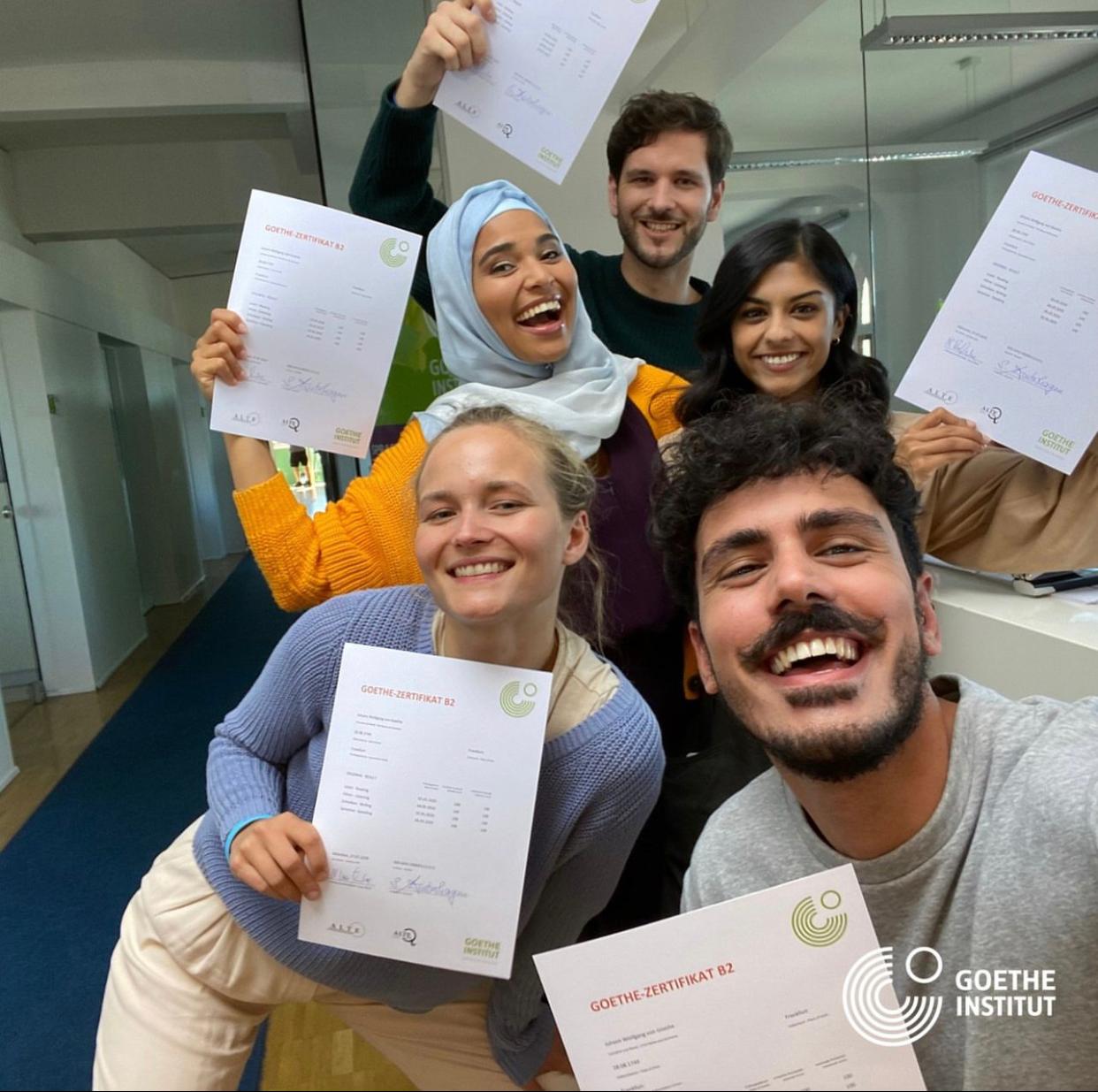
5. Is the Zertifikat B1 Telc German Certificate acknowledged globally?Yes, the B1 German Certificate is acknowledged by educational organizations and companies in many countries, particularly within the European Union.
The B1 German Certificate is not merely an evaluation of language skills; it represents a pathway to many opportunities in education, career, and cultural integration within German-speaking societies. As learners embark on their journey to achieve this certificate, they can anticipate not just individual growth however likewise a considerable enhancement of their professional qualifications in a progressively interconnected world. With effective preparation, resources, and dedication, reaching B1 proficiency in German is an achievable goal that can result in fulfilling experiences and endeavors.
- 이전글 Ufabet: Enjoy Thrilling Gambling Establishment Games in Thailand
- 다음글 20 Fun Details About Screened-In Porch Installers
댓글목록 0
등록된 댓글이 없습니다.