Planing Machines Selection Tools To Make Your Everyday Lifethe Only Pl…
페이지 정보
작성자 Veta 작성일 26-01-09 14:35 조회 6 댓글 0본문
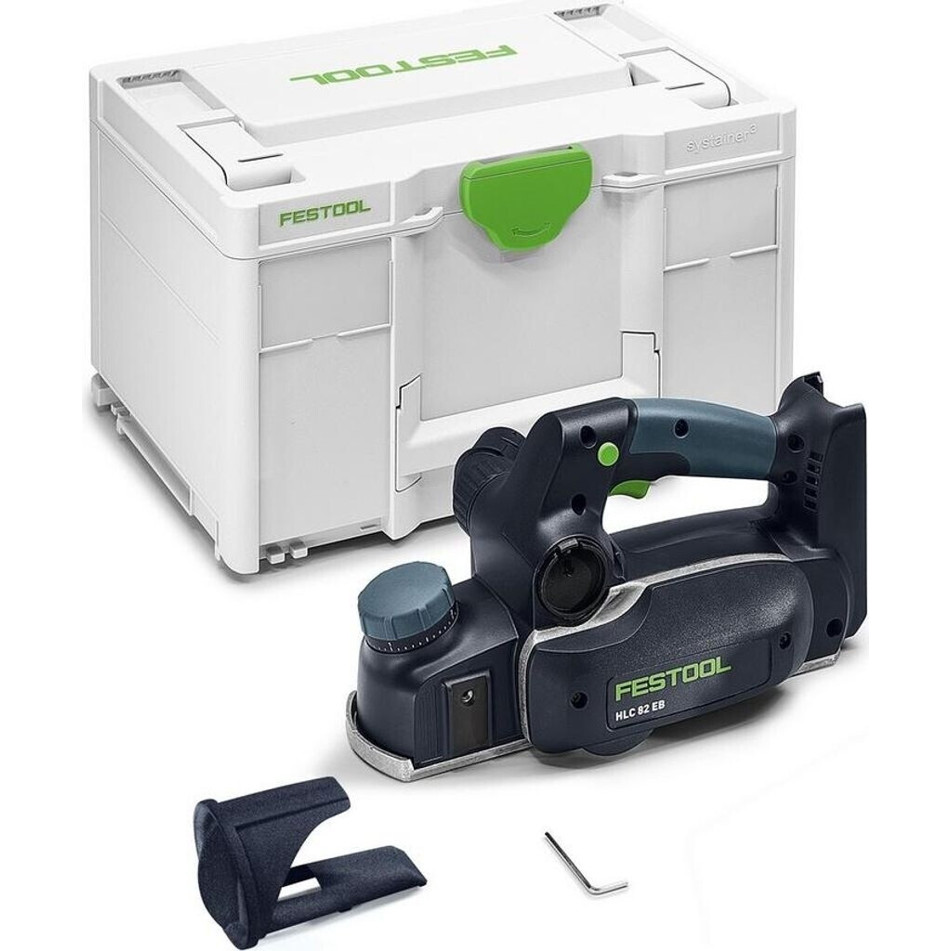
Selecting the Right Planing Machine: A Comprehensive Guide
Planing machines play a vital role in the woodworking industry, forming and smoothing wood surface areas to perfection. With various types and models available, picking the right planing device can considerably impact the efficiency and quality of woodworking projects. This article explores the crucial factors that should be considered while choosing a planing maker and provides a summary of popular models on the marketplace.
Understanding Planing Machines
Planing machines, typically referred to as thickness planers, are created to minimize the density of wooden boards while also providing a smooth surface area finish. These machines work by feeding the wood through a series of turning knives that eliminate product from the surface area. There are numerous types of planing machines selection machines, each appropriate for different applications and levels of woodworking proficiency.
Common Types of Planing Machines
- Thickness Planer: Primarily utilized to accomplish uniform density across boards.
- Benchtop Planer: Compact and portable, suited for hobbyists or smaller shops.
- Flooring Model Planer: Larger systems perfect for professional woodworkers and commercial usage.
- Dual-Head Planer: Equipped with two sets of cutting blades, enabling more effective processing.
Secret Factors to Consider
When selecting a planing maker, it is vital to think about numerous aspects that affect device performance, effectiveness, and suitability for specific jobs. Below is a summary table of these key aspects:
| Factor | Description |
|---|---|
| Kind of Work | Figure out whether you require the maker for personal projects, hobby work, or business production. |
| Size and Portability | Think about the workspace offered and whether you'll need to move the device often. |
| Cutting Capacity | Examine the optimum width and thickness of the wood you plan to work with. |
| Power Source | Pick in between electric, manual, or other types based upon your specific needs and infrastructure. |
| Speed and Feed Rate | Evaluate the speed of the device and its feed rate to ensure efficiency. |
| Adjustability | Search for easy adjustment features for varying density settings and a smooth surface. |
| Blade Quality | Think about the type and quality of the blades, as they will affect durability and efficiency. |
| Budget | Define your budget upfront as prices can vary significantly based upon functions and brand name. |
A Closer Look at Popular Planing Machines
To assist readers in making an informed choice, a relative table of a number of popular planing machines is supplied below:
| Machine Model | Type | Cutting Capacity (Width x Thickness) | Power Source | Price Range |
|---|---|---|---|---|
| DeWalt DW735X | Density Planer | 13" x 6" | 15 Amp Electric | ₤ 600 - ₤ 800 |
| Makita 2012NB | Benchtop Planer | 12" x 1/8" | 15 Amp Electric | ₤ 400 - ₤ 500 |
| Grizzly G0504 | Floor Model | 20" x 10" | 5 HP Electric | ₤ 1,500 - ₤ 2,000 |
| Jet JWP-208HH | Dual-Head Planer | 20" x 8" | 3 HP Electric | ₤ 3,000 - ₤ 4,000 |
Tips for Selecting the Right Planing Machine
- Examine Work Needs: Identify the kind of woodworking tasks you will undertake.
- Space Assessment: Measure the workspace to make sure the chosen maker fits easily.
- User-Friendly Design: Opt for machines with instinctive controls for simple operation, particularly for beginners.
- Research study Brands: Investigate trusted brands understood for durability and after-sales support.
- Read Reviews: Look for client feedback that can use insights into maker performance and reliability.
Regularly Asked Questions (FAQ)
1. How frequently should I replace the blades on my planing maker?
Blades ought to be replaced whenever they pall or cracked. Depending upon the frequency of use and the kind of wood being processed, this can range from every couple of weeks to several months.
2. Can a planing machine be utilized for wood and softwood?
Yes, most planing machines can handle both hardwood and softwood. Nevertheless, the performance and durability might differ depending upon the device and blade quality.
3. What security precautions should be taken when using a planing device?
Always wear safety goggles, ensure the device is effectively grounded, and keep hands far from moving parts during operation. Familiarize yourself with the machine's security features before usage.
4. Exists a significant difference in between benchtop and floor model planers?
Yes, benchtop planers are smaller sized and portable, suitable for DIY projects, while floor model planers are bigger, more effective, and developed for industrial woodworking applications.
5. How do I keep my planing maker for optimum efficiency?
Regularly clean the maker, look for loose parts, sharpen or replace blades, and ensure all moving parts are lubricated as per the maker's instructions.
Picking the ideal planing machine is paramount for accomplishing ideal outcomes in woodworking projects. By remembering the numerous factors, comparing models, and thinking about individual needs, woodworkers can ensure they select a machine that fulfills their requirements. Investing effort and time in this selection procedure will pay off in the long run with enhanced performance and exceptional craftsmanship. Whether for individual usage or professional functions, a well-chosen planing maker will boost the quality of the completed item and broaden imaginative possibilities.
- 이전글 파워볼배팅 【원벳원보증.com / 가입코드 9192】 플라워 주소
- 다음글 텔레@RT272✅ 신용불량자도 가능한 작업대출 승인 걱정 끝 작업대출업체 안전한작업대출 작대 전문업체❤️
댓글목록 0
등록된 댓글이 없습니다.