Thumb Sucking and Its Effects on Children’s Oral Structure
페이지 정보
작성자 Everette 작성일 26-01-28 14:51 조회 5 댓글 0본문
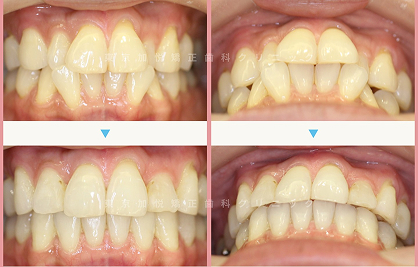
Infants and preschoolers often suck their thumbs to calm themselves, a developmentally typical action
The habit typically fades on its own before the age of four, leaving dental alignment unaffected
However, persistent or 東京 前歯矯正 forceful thumb sucking beyond this age can disrupt normal oral development
Repeated thumb pressure on the roof of the mouth and upper teeth may deform the arch form
This may result in an open bite, where the upper and lower front teeth fail to meet when the jaws are closed
The front teeth may become flared or tilted forward, giving the face a distinctive profile
The upper jaw may constrict, limiting space for the tongue and altering its resting position
Prolonged thumb sucking has been linked to speech impediments related to tongue placement
Passive, light thumb contact poses significantly less threat than forceful, repetitive sucking
Light, non-forceful thumb contact typically does not interfere with normal growth
By the time a child’s adult incisors emerge, dental shifts may become fixed and harder to reverse
Without orthodontic treatment, structural changes caused by prolonged thumb sucking may become irreversible
Parents frequently ask how to support their child in stopping without causing distress
Positive reinforcement and gentle encouragement are the most successful, non-punitive methods
Creating a fun incentive system helps children associate not sucking with positive outcomes
If the habit continues and visible dental changes appear, a pediatric dentist or orthodontist may suggest a mouth appliance
This habit should never be met with shame, punishment, or negative reinforcement
The majority of children abandon the practice naturally as they mature
Early, compassionate support significantly improves long-term dental outcomes
Proactive dental monitoring ensures timely referrals and minimizes the need for complex correction later
댓글목록 0
등록된 댓글이 없습니다.