What Is an AETX File and How FileViewPro Can Open It
페이지 정보
작성자 Tabatha 작성일 26-02-09 08:28 조회 8 댓글 0본문
An AETX file is usually an AE project template stored as XML designed to hold the project in text instead of a binary AEP/AET, making the "skeleton" easier to inspect for pipelines or troubleshooting, capturing comps, folders, layers, timing, and settings, and containing comp info like resolution, frame rate, duration, nested structures, markers, plus layer definitions, transform values, parenting, 2D/3D switches, blending, mattes, masks with animation, and effect stacks with all parameters.
In the event you loved this short article and you want to receive details relating to AETX file error assure visit the web site. An AETX file also carries animation data such as keyframes, interpolation, easing, motion paths, and expressions, along with text and shape information like text content, styling options (font, size, tracking, alignment, fill/stroke), text animators, and vector paths, strokes, fills, and trim/replicate operations with their own transforms and keyframes, but it usually omits actual media files and instead references them via file paths, doesn’t embed fonts, and doesn’t include third-party plugins, which can cause missing-footage or missing-effect issues when opened on another machine, so the normal workflow is to open or import the AETX in After Effects, relink or replace assets, resolve font/plugin warnings, and optionally save the project as AEP/AET, while viewing the file in a text editor alone won’t reproduce its behavior.
Where an AETX comes from often dictates what follows because it signals what should be included with it—fonts, media, plugins, licensing—and what issues might arise, especially if it was downloaded as part of a template bundle that normally ships with an Assets folder, a Preview folder, and a readme of required fonts/plugins, so opening the AETX alone results in missing-footage errors that are resolved by keeping the folder setup unchanged or relinking, with licensed items purposely excluded and requiring separate downloads or replacements.
When a client or teammate provides an AETX, it usually acts as a simple project transfer meant to exclude large media for version-control or sharing reasons, so you must determine whether they also included a Collected project set or at least the assets folder; if not, you’ll need to relink many items manually, and you may also run into AE version differences, missing plugins, or expression dependencies, especially if the AETX was generated within a studio pipeline that uses internal file paths.
If an AETX comes from an unfamiliar email or forum link, its origin helps determine how cautious to be since it’s XML but can still reference outside assets or call for scripts/plugins you shouldn’t casually install, so treat it like any AE template by opening it in a clean environment, skipping dubious plugin requests, and expecting missing resources, then decide your next move based on the source—template marketplaces need their bundle folders, clients should supply collected packages, and pipeline files may require designated directory paths and AE versions.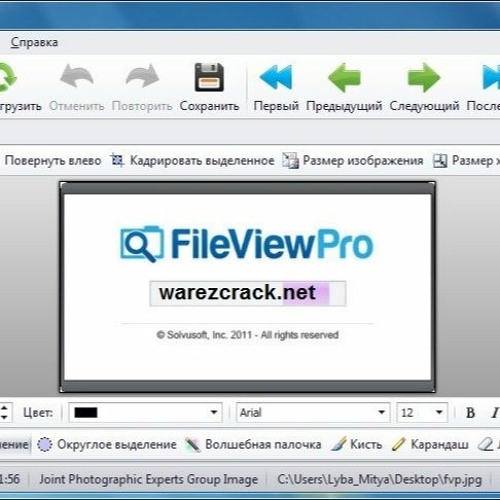
In the event you loved this short article and you want to receive details relating to AETX file error assure visit the web site. An AETX file also carries animation data such as keyframes, interpolation, easing, motion paths, and expressions, along with text and shape information like text content, styling options (font, size, tracking, alignment, fill/stroke), text animators, and vector paths, strokes, fills, and trim/replicate operations with their own transforms and keyframes, but it usually omits actual media files and instead references them via file paths, doesn’t embed fonts, and doesn’t include third-party plugins, which can cause missing-footage or missing-effect issues when opened on another machine, so the normal workflow is to open or import the AETX in After Effects, relink or replace assets, resolve font/plugin warnings, and optionally save the project as AEP/AET, while viewing the file in a text editor alone won’t reproduce its behavior.
Where an AETX comes from often dictates what follows because it signals what should be included with it—fonts, media, plugins, licensing—and what issues might arise, especially if it was downloaded as part of a template bundle that normally ships with an Assets folder, a Preview folder, and a readme of required fonts/plugins, so opening the AETX alone results in missing-footage errors that are resolved by keeping the folder setup unchanged or relinking, with licensed items purposely excluded and requiring separate downloads or replacements.
When a client or teammate provides an AETX, it usually acts as a simple project transfer meant to exclude large media for version-control or sharing reasons, so you must determine whether they also included a Collected project set or at least the assets folder; if not, you’ll need to relink many items manually, and you may also run into AE version differences, missing plugins, or expression dependencies, especially if the AETX was generated within a studio pipeline that uses internal file paths.
If an AETX comes from an unfamiliar email or forum link, its origin helps determine how cautious to be since it’s XML but can still reference outside assets or call for scripts/plugins you shouldn’t casually install, so treat it like any AE template by opening it in a clean environment, skipping dubious plugin requests, and expecting missing resources, then decide your next move based on the source—template marketplaces need their bundle folders, clients should supply collected packages, and pipeline files may require designated directory paths and AE versions.
- 이전글 야구중계 스포츠중계 콕티비 무료스포츠중계,스포츠실시간,해외축구,mlb중계
- 다음글 Exploring the Top 5 Online Casinos for US and UK Players in 2026
댓글목록 0
등록된 댓글이 없습니다.