An Easy-To-Follow Guide To Woodworking Planing Machines
페이지 정보
작성자 Faustino 작성일 26-02-23 00:42 조회 4 댓글 0본문
The Essential Guide to Woodworking Planing Machines
Woodworking is an art type that has mesmerized hobbyists and experts alike for centuries. Among the arsenal of tools available to woodworkers, the woodworking planing device holds a distinct significance. By comprehending the functionality, types, and factors to consider regarding woodworking planing machines, woodworkers can improve the precision and effectiveness of their projects.
What is a Woodworking Planing Machine?
A woodworking planing maker, commonly referred to as a thickness planer or jointer/planer, is a mechanical tool utilized to develop flat surface areas on wood and to attain consistent thickness throughout various pieces of wood. This maker is essential for making sure that wood has the appropriate measurements and is free from flaws, making it an important part of any woodworking workshop.
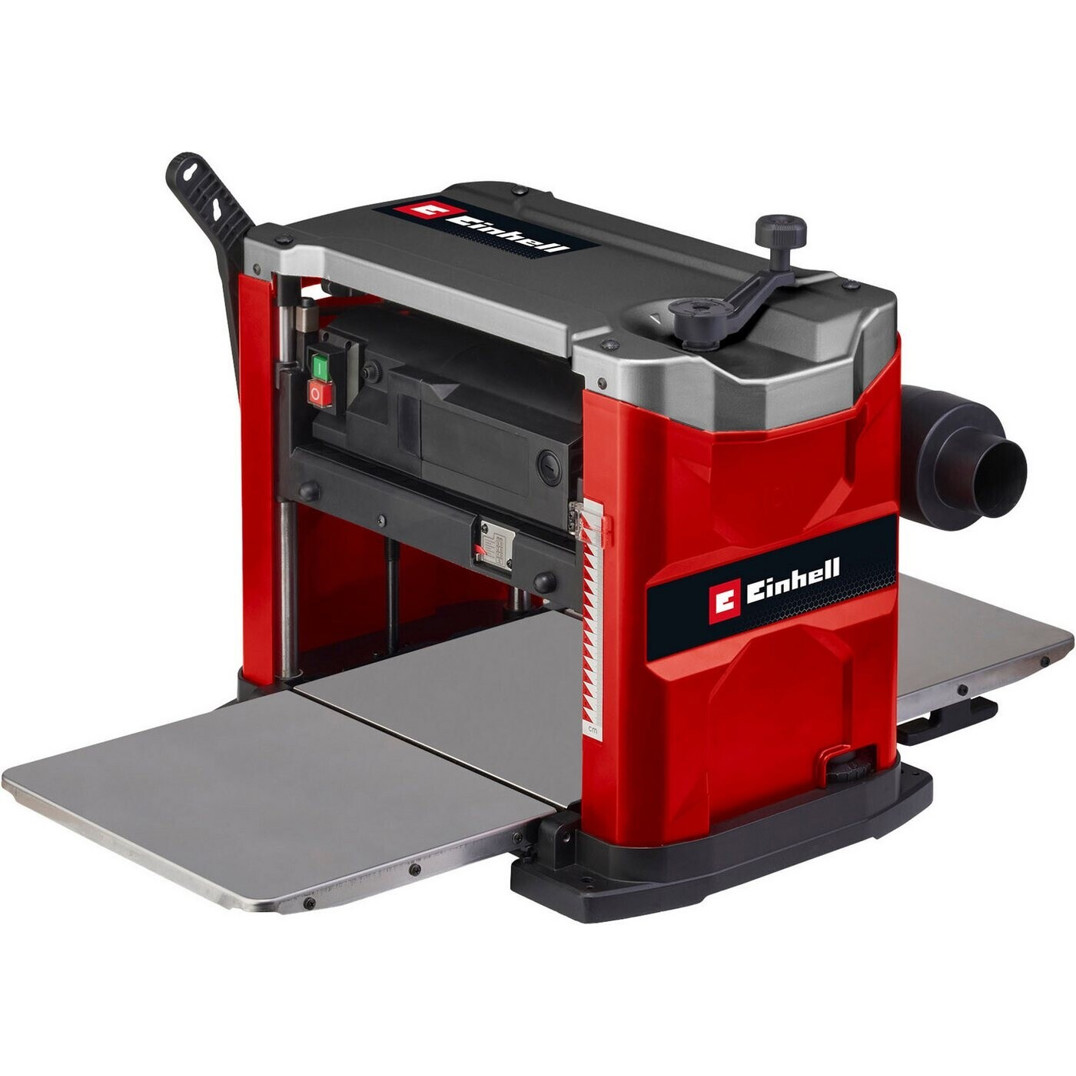
Primary Functions of a Planing Machine
- Thicknessing: Reducing the thickness of timber to a defined measurement.
- Flat Surfacing: Creating flat faces on rough-cut lumber.
- Lowering Warp: Correcting twisted or deformed boards to make them suitable for use in projects.
- Preparation for Joinery: Ensuring that edges are flat and square for joining pieces together.
How Does a Planing Machine Work?
Woodworking planing machines work through a series of turning blades or Moderne Hobelmaschinen knives that shave off thin layers of wood. When a piece of lumber is fed through the device, the blades get rid of material from the surface area, leading to a smooth and consistent surface. Many planers permit users to adjust the cutting depth, thus specifying how much material is eliminated with each pass.
Kinds Of Woodworking Planing Machines
Experts in the woodworking scene generally think about the following types of planing machines:
| Type | Description | Perfect Use Case |
|---|---|---|
| Benchtop Planer | Compact and portable, created for smaller shops. | Hobbyists or small woodworking. |
| Stationary Planer | Larger, durable models offering greater stability and effectiveness. | Professional look for high-volume use. |
| Jointer/Planer Combo | Combines the abilities of both a jointer and a planer in one maker. | Perfect for space-limited workshops. |
| Drum Planer | Functions a turning drum with sandpaper, used for big surfaces and thicknessing. | Large-scale production and Hobelmaschinen-Onlineshop kitchen cabinetry. |
Picking the Right Planing Machine
Choosing the right planning maker involves several considerations:
- Type of Work: Define the type of woodwork you will be participated in, whether it's furniture making, cabinets, or woodworking as a hobby.
- Area: Assess your workshop area to determine if you require a portable choice or if you can accommodate a fixed maker.
- Power and Motor Size: Hobelmaschinen-Modelle Larger, more powerful motors can handle tougher products and longer hours, which may be required for professional users.
- Budget: Planing machines can differ considerably in price. Determine your budget, bearing in mind that investing in a higher-quality machine might save you cash in the long run due to durability and precision.
- Features: Look for additional features such as dust collection ports, speed changes, and built-in security systems that can boost functionality and effectiveness.
Maintenance and Care
Like any machinery, woodworking planing machines require regular maintenance to make sure longevity and effectiveness. Here are some pointers for maintaining your planer:
- Keep Blades Sharp: Dull blades can trigger burns, chatter marks, and irregular finishes, making regular honing vital.
- Tidy Daily: Remove wood shavings and debris after each usage to prevent breakdowns.
- Lubricate Moving Parts: Regular lubrication of parts such as screws and bearings can prevent rust and enhance efficiency.
- Examine Alignment: Regularly inspect and calibrate the table's alignment to make sure accurate cuts.
Frequently Asked Questions (FAQs)
Q1: Is a planing device necessary for woodworking?A1: While not strictly essential, a planing device significantly improves the quality and consistency of woodworking projects, making it a vital tool for major woodworkers. Q2: Can I use a hand airplane instead of a planing machine?A2: Yes, hand planes
can be used however may be more time-consuming and physically demanding, especially for bigger pieces of wood. Q3: How do I set the cutting depth on my planer?A3: Most planing machines feature a depth modification knob or lever.
Turn the knob to raise or reduce the table, setting
the preferred thickness for the cut. Q4: What is the difference in between a density planer and a jointer?A4: A density planer is primarily utilized for minimizing the density
of wood while making it flat, whereas a jointer is utilized to flatten one face
of a board and to create square edges. Q5: How do I prevent tear-out when utilizing a planer?A5: Tear-out often happens on soft wood or at the end of a board. To lessen this, think about using a backing board or changing the feeding technique to achieve cleaner cuts. In conclusion, woodworking planing
machines are indispensable tools that provide performance, precision, and flexibility to woodworkers of all ability levels. By understanding their functions, types, and upkeep needs, Hobelmaschinen; Learn Additional, woodworkers
can make educated decisions that enhance the quality of their work. Whether you're a hobbyist or a professional craftsman, buying a woodworking planing maker is a decision that can elevate the workmanship and precision of your woodworking projects to brand-new heights.
- 이전글 You've Forgotten Small Walking Machine: 10 Reasons Why You Don't Have It
- 다음글 20 Myths About 120-inch Fixed Frame Screen: Busted
댓글목록 0
등록된 댓글이 없습니다.