Official Goethe B1 Test: 11 Thing You've Forgotten To Do
페이지 정보
작성자 Kraig 작성일 26-03-04 13:17 조회 4 댓글 0본문
Official Goethe B1 Test: Your Comprehensive Guide
The Goethe B1 Test, a critical assessment for students of the German language, represents that an individual has attained an intermediate level of proficiency as acknowledged by the Common European Framework of Reference for Languages (CEFR). This post aims to provide a detailed overview of the Goethe B1 Test, including its structure, format, and preparation tips, in addition to FAQs to attend to common inquiries about the assessment.

What is the Goethe B1 Test?
The Goethe B1 Test is created to assess a prospect's ability to understand and use daily German in numerous contexts. This consists of reading, composing, speaking, and listening skills in situations ranging from day-to-day interactions to more structured situations, such as work and travel.
Key Features of the Goethe B1 Test:
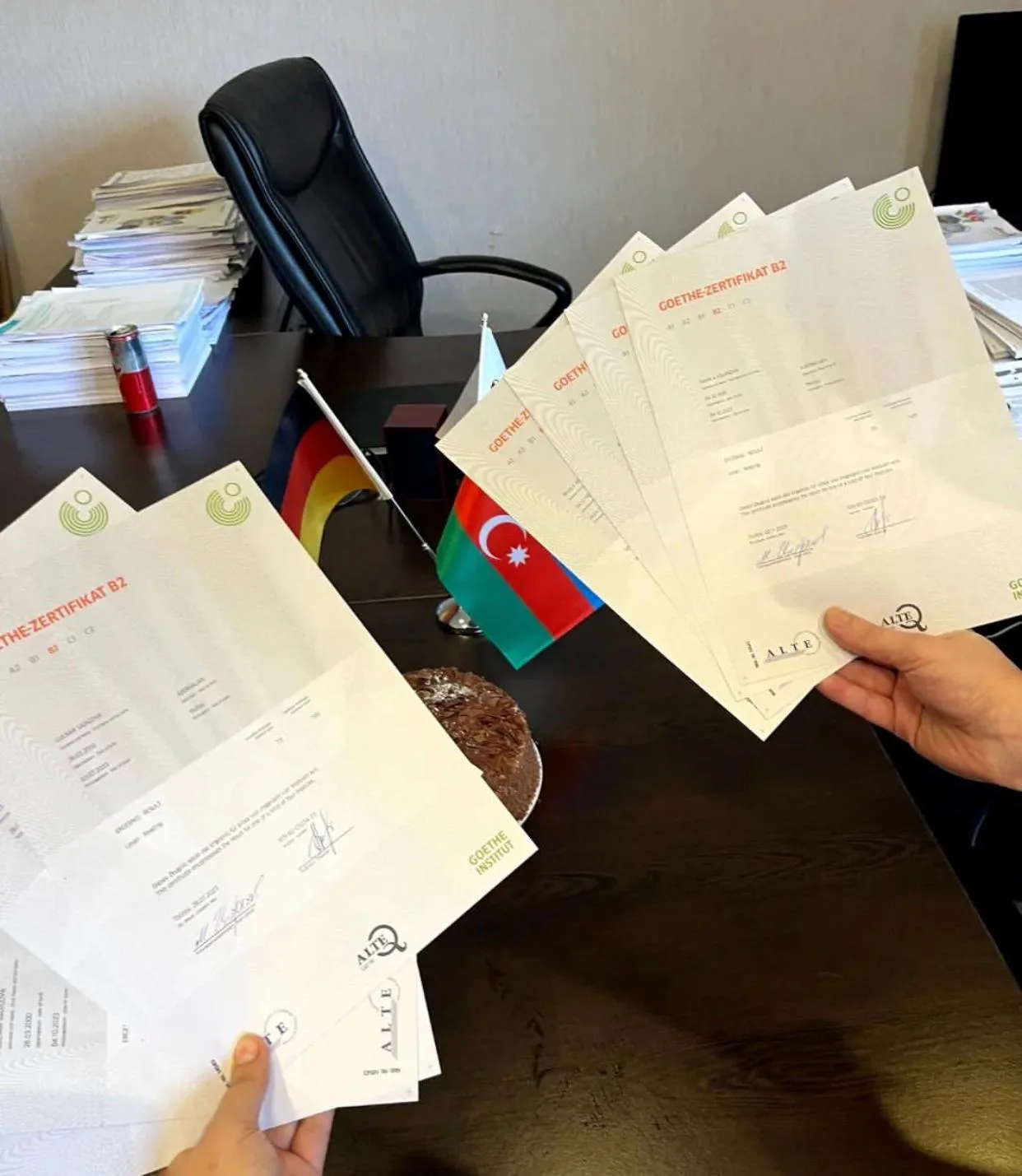
- Certification: Successful conclusion of the B1 Test makes a Goethe Certificate, a worldwide recognized credential that can improve academic and expert opportunities.
- Validity: The certificate stands forever, making it an important addition to one's language certifications.
- Prerequisite for Advanced Levels: Achieving a B1 Deutschprüfung Goethe-Zertifikat Online Kaufen (browse around this web-site) certification is frequently a prerequisite for enrolling in higher-level German courses or programs.
Structure of the Goethe B1 Test
The Goethe B1 Test consists of four elements, each intended at evaluating distinct skills:
| Component | Duration | Format | Skills Evaluated |
|---|---|---|---|
| Listening | Thirty minutes | Multiple-choice & & gap-fill exercises | Comprehension of spoken German in various contexts |
| Checking out | 65 minutes | Multiple-choice, gap-fill, & & true/false exercises | Comprehending composed texts such as short articles and discussions |
| Writing | Thirty minutes | Composed structure | Capability to compose brief texts, such as letters and emails |
| Speaking | 15 minutes | In person interview | Oral interaction skills, consisting of discussion and description |
In-depth Overview of Each Component
Listening: The listening area typically includes audio recordings of dialogues, monologues, or conversations. Prospects may be needed to fill in spaces in the text, response multiple-choice questions, or match declarations to speakers.
Reading: The reading section makes up different types of texts, varying from informal interactions like emails to official articles. Prospects need to show their ability to determine crucial info and analyze context.
Writing: The composing part involves crafting meaningful texts based upon prompts offered. Candidates may require to write a letter, a personal email, or a brief report, all of which need to reflect proper structure and design.
Speaking: In the speaking assessment, candidates engage in a structured conversation with an examiner. This part often consists of reacting to questions, explaining images, or going over individual experiences.
Preparation Strategies for the Goethe B1 Test
Getting ready for the Goethe B1 Test needs a strategic method, using a range of resources to develop and enhance language abilities. Below are some effective strategies to assist prospects get all set:
1. Comprehend the Test Format
Familiarizing oneself with the test format is vital. Examining sample papers and practice tests can considerably minimize stress and anxiety on test day and enhance efficiency.
2. Construct Vocabulary and Grammar
A strong vocabulary and grasp of grammar are essential for success. Candidates should focus on:
- Common everyday expressions
- Vocabulary related to specific topics (e.g., work, travel, education)
- Grammar structures usually used at the B1 level
3. Practice Listening Skills
Listening abilities can be improved through:
- Engaging with German music, podcasts, and movies
- Taking part in language exchange programs
- Completing online listening workouts
4. Check out Regularly
Constant reading of German texts, such as news articles, blogs, and narratives, will assist prospects:
- Improve comprehension skills
- Differentiate in between official and informal language styles
- Get new vocabulary in context
5. Compose Daily
Candidates ought to practice composing by:
- Keeping a journal in German
- Composing letters or emails to friends as practice
- Finishing composing prompts to strengthen structure skills
6. Sign Up With a Language Class or Group
Signing up with a class or study group can provide additional support. Candidates can benefit from:
- Structured finding out directed by a teacher
- Opportunities for speaking practice with peers
- Collaborative study techniques
Often Asked Questions (FAQ)
1. What products are advised for studying for the Goethe B1 Test?
Recommended products consist of:
- Goethe Institute B1 preparation books
- Online practice tests
- Language knowing apps (e.g., Duolingo, Babbel)
- German-speaking podcasts and news websites
2. How can I sign up for the Goethe B1 Test?
Prospects can register through the Goethe Institute website or their regional Goethe Institute branch. It's recommended to register well ahead of time to protect a spot.
3. What is the cost of the Goethe B1 Test?
The cost of the screening differs by area, typically varying from EUR120 to EUR200. Candidates ought to inspect with their local Goethe Institute for exact rates.
4. For how long does it take to receive the test results?
Test outcomes are usually offered within six weeks of the assessment date. Candidates will receive a certificate detailing their efficiency in each component.
5. What should I do if I do not pass the exam?
If a candidate does not pass the exam, it's essential to evaluate which locations require enhancement. They can then retake the test after more preparation, as many effective prospects need multiple attempts to achieve their wanted results.
The Goethe B1 Test is a significant step for anyone wanting to display their German language efficiency at an intermediate level. Comprehending the test's structure, preparing appropriately, and using the ideal resources can significantly enhance one's possibilities of success. With diligent study and practice, prospects can navigate the difficulties of the B1 Test and happily achieve their certification.
- 이전글 The Hidden Thriller Behind Evoplay Slots Catalogue (demo & Real)
- 다음글 15 Best Pinterest Boards Of All Time About Robotic Vacuum
댓글목록 0
등록된 댓글이 없습니다.