The 10 Scariest Things About Pallets Warehouse
페이지 정보
작성자 Hilario 작성일 26-03-12 19:53 조회 5 댓글 0본문
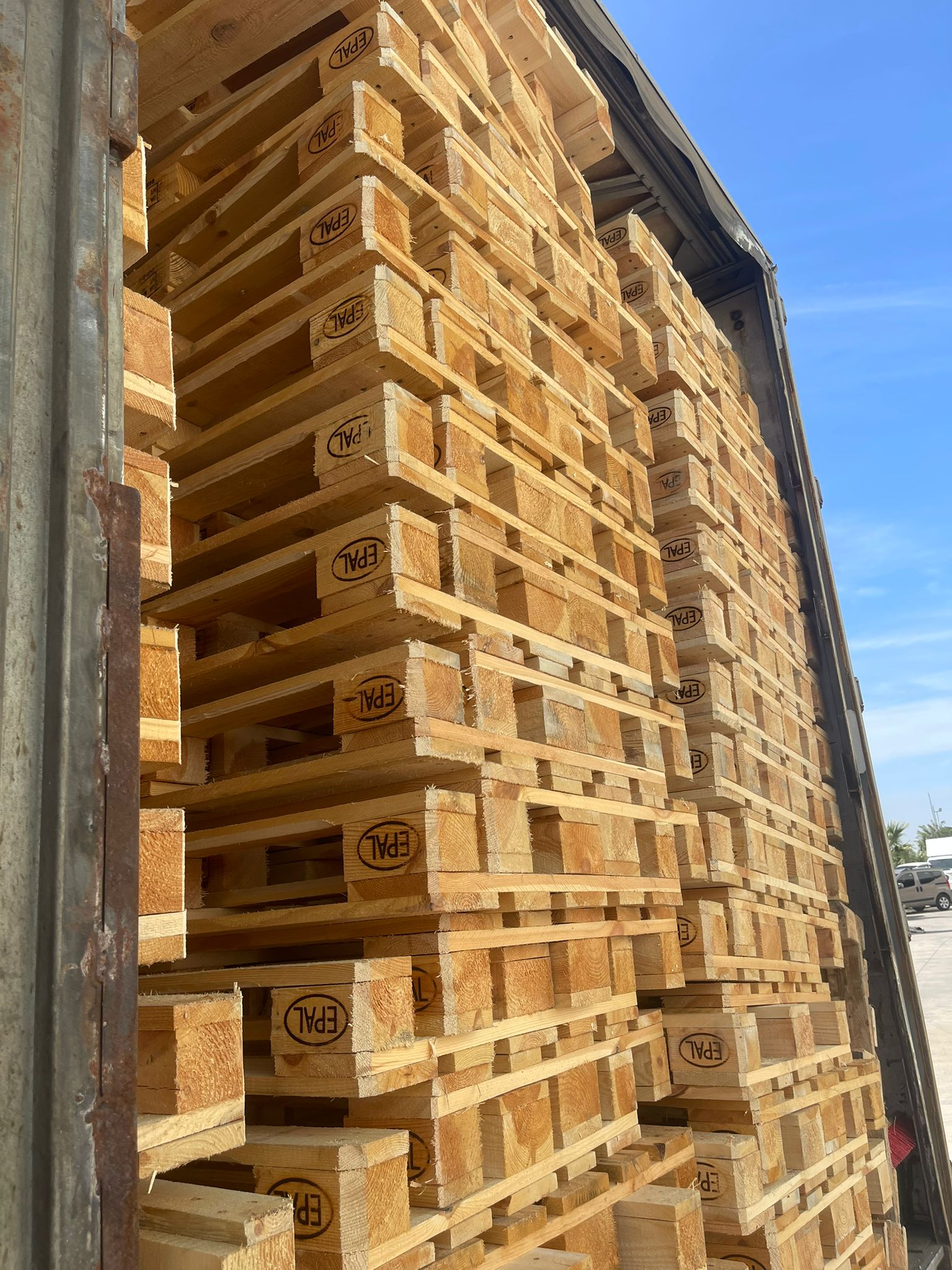
The Essential Role of Pallets in Warehouse Operations
In the modern logistics and supply chain landscape, effective storage and managing services are vital. Among the unsung heroes of this system is the pallet-- an often-overlooked yet essential element in warehouse operations. Comprehending the function of pallets can significantly affect both operational performance and cost-effectiveness. This blog site will dig into the qualities, types, benefits, and best practices for using pallets in a warehouse setting.
What is a Pallet?
A pallet is a flat structure, normally made of wood, plastic, or metal, that provides a stable base for stacking, storing, and carrying products. Pallets enable much easier handling with forklifts and pallet jacks, optimizing the space and performance in storage facilities and storage facilities.
Types of Pallets
Pallets are available in various types to fit different needs and environments. Here's a table summarizing the key attributes of each type:
| Type | Material | Load Capacity | Common Uses | Lifespan |
|---|---|---|---|---|
| Wooden Pallets Near Me Pallet | Wood | 2,000-5,000 pounds | General warehousing, agriculture | 3-5 years |
| Plastic Pallet | Plastic | 1,500-3,500 pounds | Pharmaceutical, food industries | 10+ years |
| Metal Pallet | Steel/Aluminum | 2,000-10,000 pounds | Durable applications, industrial usage | 20+ years |
| Composite Pallet | Compressed products | Differs | Ecologically friendly choices | 5-10 years |
| Euro Pallet | Wood | 2,000-3,000 lbs | European transportation, retail usage | 5-10 years |
The Importance of Pallets in Warehouse Operations
Space Optimization
Pallets assist in vertical storage, allowing warehouses to optimize vertical space. Instead of stacking items haphazardly, utilizing pallets offers a systematic method to warehousing. This vertical structure can often maximize floor area, making it possible for more efficient workflows.
Efficient Handling
By standardizing storage on pallets, workers can use forklifts and pallet jacks to move large quantities of goods quickly. This decreases manual labor, increasing labor performance, and potentially lowering the danger of workplace injuries.
Inventory Management
Pallets are vital for stock control. Using pallets enables clearer visibility of inventory levels, which assists in tracking supplies and managing stock levels better. In addition, each pallet can be tagged with barcodes or RFID tags, enhancing the accuracy of stock management systems.
Cost-Effectiveness
While the initial financial investment in Pallets Warehouse may appear considerable, their long life-span and ability to enhance space can cause considerable expense savings gradually. Decreased labor expenses, improved stock management, and decreased damage to goods also contribute to total cost savings.
Ecological Impact
Sustainability is increasingly ending up being a crucial focus for warehouse operations. Using recyclable pallets or those made from sustainable materials can minimize environmental impact. Choosing plastic or composite pallets can likewise cause minimized waste in time.
Best Practices for Pallet Management
To guarantee that the benefits of pallets are maximized, it is vital to carry out best practices in pallet management:
- Regular Inspection: Periodically check pallets for damage and wear. Replace or fix as required to avoid mishaps or losses.
- Correct Storage: Ensure pallets are kept properly-- this includes stacking them evenly and securely to prevent collapse.
- Training Staff: Educate staff members Sale On Wooden Pallets how to handle pallets correctly to lessen the risk of injury and mishaps.
- Tracking Systems: Implement tracking systems for barrels to improve inventory management and decrease loss or damage.
- Standardization: Use standardized pallet sizes to enhance warehouse systems for filling and handling.
- Recycling and Reuse: Promote recycling practices for damaged or redundant pallets to minimize waste.
Frequently Asked Questions (FAQs)
Q1: How do I select the best pallet for my warehouse?
A: The right pallet depends on numerous factors, including the kind of goods being kept, weight capacity, handling methods, and budget. Make sure that you evaluate your special needs before making a choice.
Q2: How frequently should palleted products be checked?
A: Palleted products need to be examined routinely-- preferably, before use and every couple of months throughout storage-- to identify any damage or dangers.
Q3: Can pallets be recycled?
A: Yes, many Wooden Pallets Sale can be reused as long as they are checked for safety and compliance with standards. Cheap Wooden Pallets pallets might reveal signs of wear and may require to be changed faster than plastic or metal pallets.
Q4: Are there particular regulations for pallet use in particular markets?
A: Yes, specific industries such as food and pharmaceuticals have stringent guidelines regarding pallet usage to ensure health and security. It's critical to research and understand these guidelines.
Q5: How do I identify the life expectancy of a pallet?
A: The lifespan of a pallet is affected by its product, usage, and handling. Routine evaluations can assist you evaluate the condition and figure out whether a pallet is safe for continued usage.
In conclusion, pallets are integral to the performance and effectiveness of warehouse operations. Understanding their advantages and implementing best practices can result in a marked improvement in storage, handling, and inventory management. As organizations continue to develop, adopting efficient practices surrounding pallets will be important in achieving functional quality. By making notified choices about pallet types, standards, and management, storage facilities can browse the intricacies these days's logistics landscape while optimizing their resources.
- 이전글 Your Family Will Thank You For Having This How To Buy Ozempic
- 다음글 메이저놀이터 【원벳원보증.com / 가입코드 9192】 롤비제이배팅
댓글목록 0
등록된 댓글이 없습니다.