Buzzwords De-Buzzed: 10 Other Ways To Say Soffit Installation
페이지 정보
작성자 Geraldo 작성일 26-03-13 15:09 조회 6 댓글 0본문
The Ultimate Guide to Soffit Installation
Soffits are an important part of a structure's roofing system, serving both functional and visual functions. This article functions as a comprehensive guide to soffit installation, covering everything from materials to installation methods. By the end, readers will have a strong understanding of the process, requirements, and best practices for setting up soffits in residential and business settings.
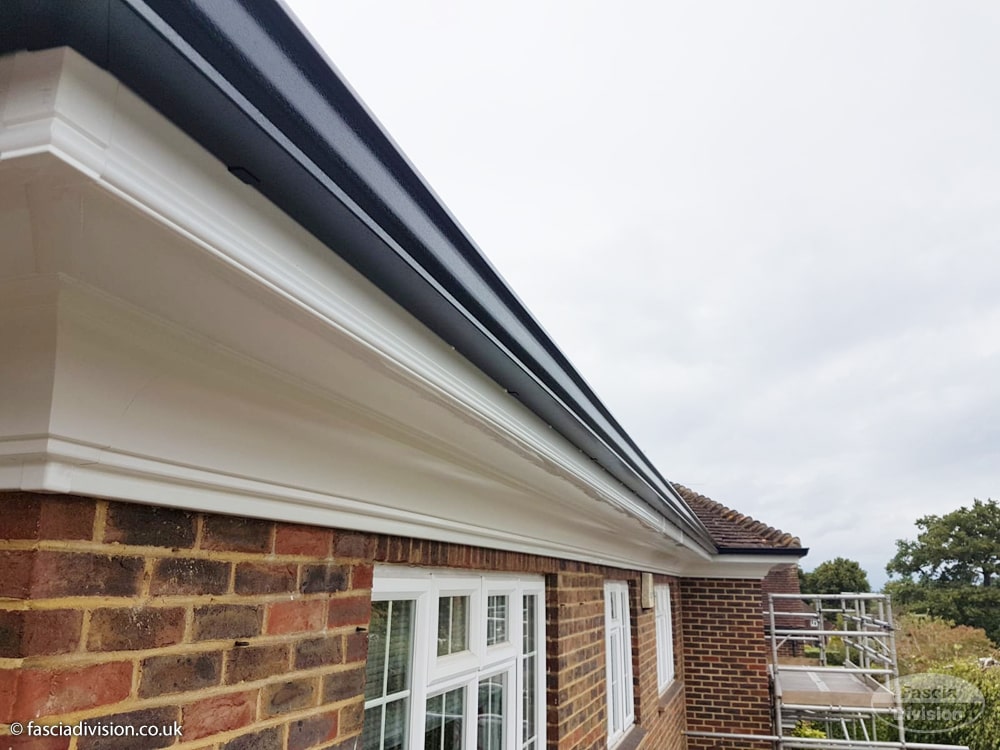
What is Soffit?
Soffit is a product utilized to cover the underside of a roofing overhang or eave. It is generally installed in between the Fascia Board Replacement Fascia Board Replacement and the outside wall of a structure, offering ventilation, insulation, and a completed appearance. Soffits are readily available in different materials, consisting of wood, vinyl, aluminum, and fiber cement, each with its special advantages and disadvantages.
Value of Soffit Installation
- Ventilation: Properly installed soffits assist in airflow in the attic, which assists regulate temperature level and avoid wetness buildup.
- Visual Appeal: Soffits add to the overall appearance of a home, providing a tidy and completed appearance.
- Security: Soffits secure the rafters and other structural elements from weather aspects, such as rain and snow.
- Insect Prevention: A well-installed soffit can deter pests from entering the attic space.
Types of Soffit Materials
When thinking about soffit installation, it's important to select the proper material. The table below outlines the most common materials used for Soffits (recommended site), along with their advantages and disadvantages.
| Product | Pros | Cons |
|---|---|---|
| Wood | Aesthetic appeal, versatile | Prone to rot and insects |
| Vinyl | Low maintenance, resistant to moisture | Minimal color choices |
| Aluminum | Resilient, lightweight, rust-resistant | Can dent easily |
| Fiber Cement | Fireproof, low maintenance | Heavier, might need customized tools |
Choosing the Right Material
The option of soffit material typically depends upon elements such as budget, place, and individual choice. Homeowners in damp climates may choose vinyl or aluminum to combat wetness concerns, while those in dry locations may choose for wood for its visual qualities.
Tools and Equipment Needed for Installation
Before beginning the installation process, it's important to gather the needed tools and equipment. Here's a list of typical tools needed for soffit installation:
- Measuring tape
- Level
- Utility knife
- Ladder
- Hammer
- Nails or screws
- Saw (circular or miter)
- Caulk and caulk weapon
- Shatterproof glass
Actions to Install Soffit
Action 1: Measure and Cut
- Measure the Area: Use measuring tape to identify the length and width of the soffit location. Keep in mind any blockages such as vents or lights.
- Cut the Soffit Panels: Using an energy knife or saw, carefully cut the soffit panels to the determined measurements.
Step 2: Install the Furring Strips
Furring strips are thin strips of wood or metal that create a framework for attaching the soffit panels.
- Mark the Location: Use a level to mark the position for the furring strips along the edge of the eave.
- Attach the Strips: Secure the furring strips to the underside of the eave using screws or nails.
Action 3: Install Soffit Panels
- Position the First Panel: Start at one end of the eave and move the very first panel into the groove of the adjacent panel.
- Secure the Panel: Use screws or nails to attach the panel to the furring strips, ensuring they are equally spaced.
- Continue Installation: Repeat this procedure for subsequent panels, guaranteeing that every one fits comfortably versus the other.
Step 4: Finishing Touches
- Seal Gaps: Use caulk to seal any spaces between the soffit and the wall or Fascia And Soffit Company.
- Paint or Finish: If suitable, paint or end up the soffit panels to match the exterior of the home.
Maintenance Tips
- Routine Inspections: Conduct examinations at least as soon as a year to search for signs of damage or pests.
- Tidy Debris: Remove leaves and debris from the soffit location to avoid wetness accumulation.
- Inspect Vents: Ensure that any vents installed in the soffit are clear and functioning appropriately.
FREQUENTLY ASKED QUESTION
1. How much does soffit installation cost?
The expense of soffit installation can differ extensively depending on elements such as product option, labor rates, and the size of the task. On average, homeowners can expect to pay in between ₤ 1.50 to ₤ 6.50 per square foot.
2. Can I install soffit myself?
Yes, soffit installation can be a DIY task for those with fundamental carpentry skills. However, employing a professional might be recommended for those who are not comfy with heights or lack experience.
3. How do I know if I require to replace my soffit?
Indications that may suggest a need for replacement consist of noticeable damage (fractures or sagging), mold or Soffit Installation mildew development, and insect problems.
4. Exist any building codes connected to soffit installation?
Yes, local building codes frequently determine particular requirements for soffit installation, specifically worrying ventilation. Constantly consult regional policies before starting any installation project.
Soffit installation is a crucial element of home building or restoration that should not be neglected. By comprehending the materials offered and following the proper installation strategies, homeowners can significantly boost the looks and functionality of their homes. Whether choosing to tackle the task themselves or hire a professional, appropriate soffit installation will yield lasting advantages and increase the overall worth of the home.
- 이전글 15 Best Pinterest Boards Of All Time About Doors Repairs
- 다음글 How To Know The Double Glazed Door Repair That's Right For You
댓글목록 0
등록된 댓글이 없습니다.