Guide To Sea Containers: The Intermediate Guide The Steps To Sea Conta…
페이지 정보
작성자 Lloyd 작성일 26-03-14 12:50 조회 2 댓글 0본문
Understanding Sea Containers: A Comprehensive Guide
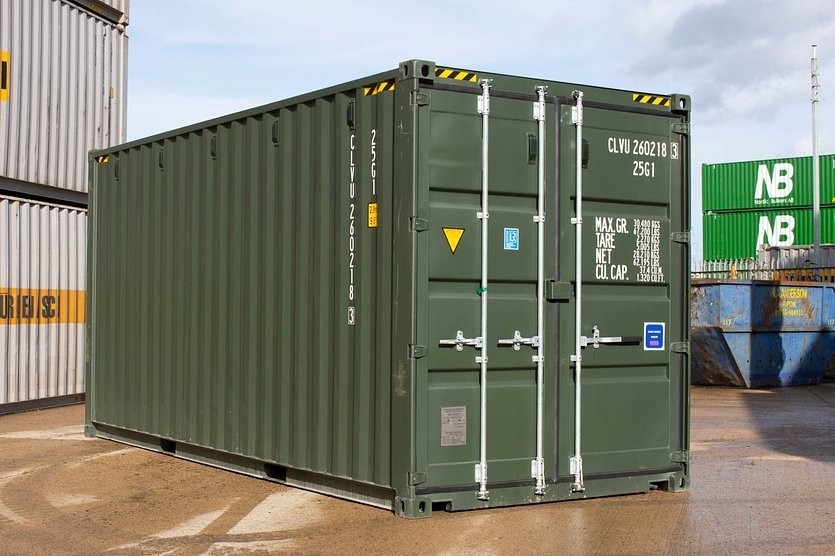
Sea containers, also referred to as shipping containers, play an essential role in global trade and logistics. These robust metal boxes are designed to withstand extreme maritime conditions while safely transporting goods across oceans to numerous destinations. In this article, we will explore the history, types, benefits, and sustainability practices associated with sea containers, offering a helpful summary for anybody seeking to comprehend their significance in contemporary transportation.
A Brief History of Sea Containers
The idea of using containers for shipping go back to the mid-20th century. In 1956, Malcolm McLean, an American business owner, reinvented shipping by introducing the very first standardized container. This innovation permitted products to be filled onto and off of ships more effectively, drastically lowering shipping times and costs.
The Evolution of Sea Containers
| Year | Milestone |
|---|---|
| 1956 | Intro of standardized shipping containers |
| 1966 | Adoption of the International Organization for Standardization (ISO) standards |
| 1980s | Development of intermodal transportation systems |
| 2000s | Increase of shipping container terminals globally |
| Today | Ongoing innovations in container design and dealing with |
Kinds Of Sea Containers
Sea containers are available in various sizes and shapes, each developed for specific shipping needs. The most common types include:

- Standard Dry Freight Containers: Used for basic cargo, these containers are available in 20-foot and 40-foot sizes.
- Refrigerated Containers (Reefers): Designed for disposable products, these containers can preserve temperature-controlled environments.
- Open Top Containers: Ideal for oversized loads, they include a detachable top for simple loading.
- Flat Rack Containers: Best fit for large machinery or cargo, these containers have no sides or top.
- Tank Containers: Designed for liquid cargo, these containers are built to hold dangerous products securely.
Container Dimensions and Specifications
| Container Type | Length (ft) | Width (ft) | Height (feet) | Maximum Weight (lbs) |
|---|---|---|---|---|
| Standard Dry | 20/ 40 | 8 | 8.5 | 48,000/ 67,200 |
| Refrigerated (Reefer) | 20/ 40 | 8 | 8.5 | 48,000/ 67,200 |
| Open Top | 20/ 40 | 8 | 8.5 | 48,000/ 67,200 |
| Flat Rack | 20/ 40 | 8 | 8.5 | 48,000/ 67,200 |
| Tank | 20/ 40 | 8 | 8.5 | 25,000/ 40,000 |
The Benefits of Sea Containers
Sea containers offer many advantages, making them a necessary part of global shipping. Here are some essential benefits:
- Efficiency: Containers improve the loading and dumping of cargo, considerably lowering turnaround times in ports.
- Security: Their robust construction secures items from theft and damage throughout transit.
- Adaptability: Sea containers can be used for a vast array of items, from electronics to food.
- Standardization: The use of standardized sizes permits simple multimodal transportation (land, sea, and air).
- Cost-Effectiveness: Bulk shipping lowers costs, making it more economical for businesses to import and export items.
Ecological Benefits
With increasing awareness of climate change and environmental issues, the shipping market is checking out more sustainable practices. A few of these include:
- Recycling and Repurposing: Old containers can be repurposed for housing, stores, and even art setups.
- Effective Shipping Practices: Advances in navigation innovation and fuel efficiency assistance lower carbon emissions from Shipping Container Design.
- Modular Design: Containers' stackable nature optimizes cargo area, reducing the number of journeys required.
Frequently Asked Questions (FAQ)
1. What is the basic size of a shipping container?
The most common sizes are 20-foot and 40-foot containers, but there are variations like 10-foot and 45-foot containers available also.
2. How do I select the ideal container for shipping?
Selecting the ideal container depends upon the kind of products being delivered. For perishable items, a refrigerated container is ideal; for oversized cargo, an open top or flat rack might be more effective.
3. Can sea containers be used for land transportation?
Yes, sea containers are created for intermodal transport, meaning they can be carried seamlessly in between ships, trucks, and trains.
4. Are shipping containers safe for dangerous products?
Tank containers are particularly developed to securely transport hazardous liquids. However, it's vital to follow all security policies and standards when shipping such products.
5. How are shipping containers transferred?
Containers are lifted on and off ships using cranes, placed onto trucks, or packed onto flatbed trains, allowing for effective intermodal transport.
Sea containers are more than just metal boxes; they are a foundation of worldwide trade and logistics. With their wide range of types, advantages, and a dedication to sustainability, they continue to progress as essential players in the shipping market. Understanding sea containers and their effect on trade is necessary for businesses and consumers alike, as our interconnected world relies heavily on these flexible and robust systems. Whether you are an experienced logistics professional or a curious consumer, this knowledge is important in appreciating the vital function that sea containers play in daily life and the international economy.
- 이전글 먹튀검증 【위너보증.com / 가입코드 9122】 에볼루션바카라
- 다음글 Door Hinge Repair Prices Tools To Ease Your Daily Lifethe One Door Hinge Repair Prices Trick That Every Person Must Know
댓글목록 0
등록된 댓글이 없습니다.