Essential Guide to Electrical Fire Risk Assessment
페이지 정보
작성자 Janis 작성일 26-04-05 04:42 조회 4 댓글 0본문
Carrying out a comprehensive electrical safety risk review is a essential practice in protecting lives, assets, and business continuity. First, locate all electrical installations and devices in the building. This includes wiring, circuit breakers, outlets, appliances, lighting fixtures, and any temporary electrical setups. Document the age, condition, and usage patterns of each item. Focus intensely on outdated systems, as they are highly susceptible to insulation failure and unauthorized changes.
Next, evaluate potential hazards. Look for signs of wear such as frayed cords, loose connections, overheating outlets, 沖縄 消防設備 or frequent tripping of breakers. Identify circuit overburdening, especially in areas with multiple power strips or high wattage devices. Record unsafe practices, like cords secured with hardware, extension cords substituted for fixed wiring, or missing AFCI. Also consider environmental factors such as moisture, dust, or flammable materials near electrical equipment.
After risks are mapped, determine who could be endangered. This includes occupants, personnel, repair crews, and outsiders. Certain groups face higher exposure, such as employees handling equipment daily or those lacking safety orientation. Evaluate both the probability and potential impact of ignition from each risk. For example, a compromised cable in a corridor has far higher ignition potential than one tucked away in a seldom-visited closet.
Rank hazards according to risk level and likelihood. Critical risks involve exposed wiring, overloaded circuits, and equipment with visible damage. Formulate targeted mitigation strategies. This may involve swapping out defective units, enhancing circuit capacity, adding AFCIs, or clearing obstructions from receptacles. Verify that all work is done by licensed professionals.
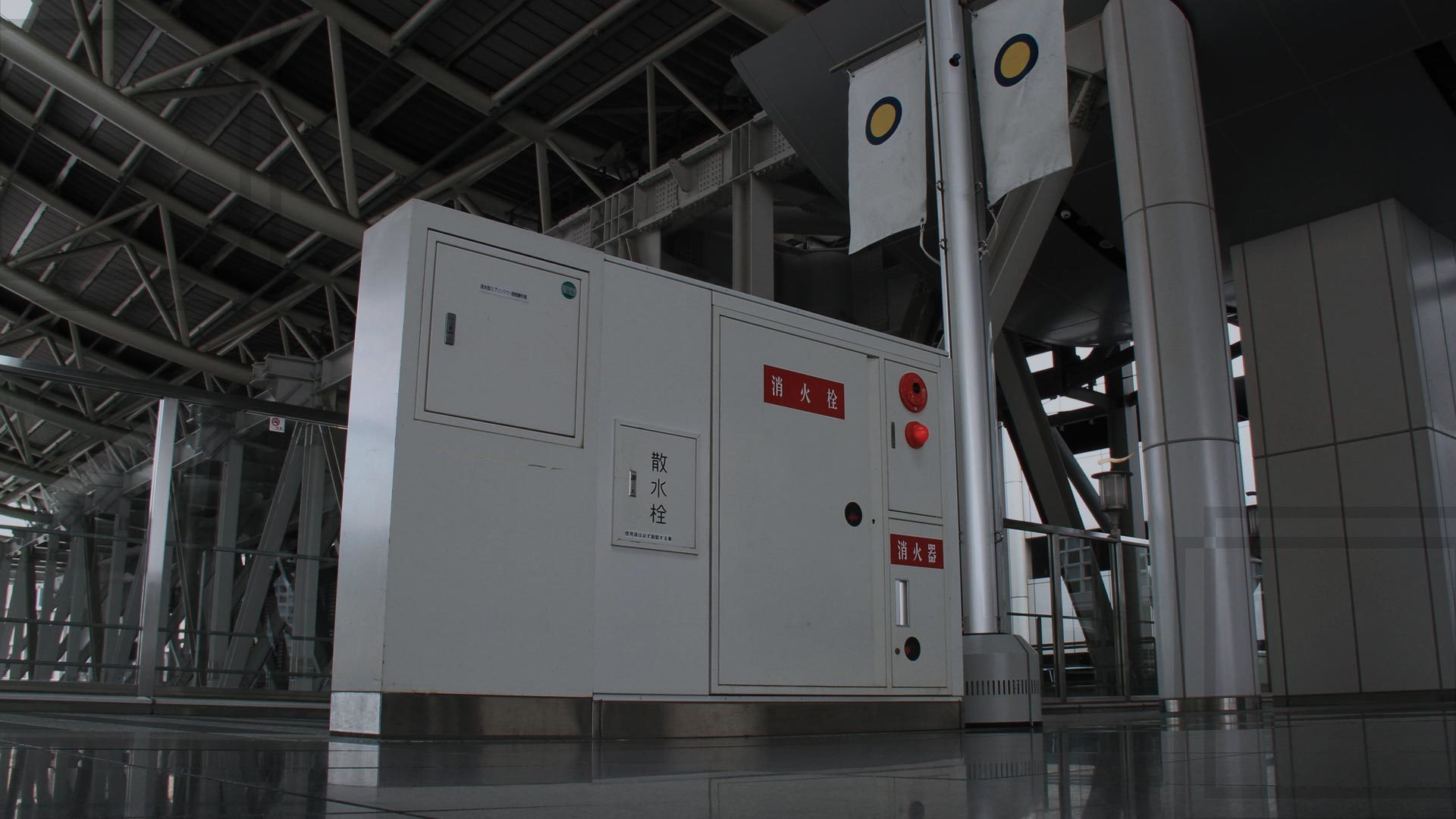
Institute safety protocols including scheduled checks, safety education programs, and standardized circuit signage. Establish a schedule for regular maintenance and keep detailed records. Encourage reporting of any electrical issues without delay. Install safety notices in critical areas and verify that Class C extinguishers are visible and available.
Ultimately, revisit the evaluation periodically, especially when modifications are made to wiring or space configurations. Update the plan as new equipment is added or old systems are retired. A preventive strategy for electrical hazards not only prevents fires but also builds enduring safety standards company-wide.
- 이전글 Five Rustic Log Cabins Lessons From The Professionals
- 다음글 바이브레이터 실사용 후기 만족도 높은 선택 기준과 사용 경험 정리 단밤.com 우머나이저
댓글목록 0
등록된 댓글이 없습니다.